“`html
How to Photograph Fireworks Successfully
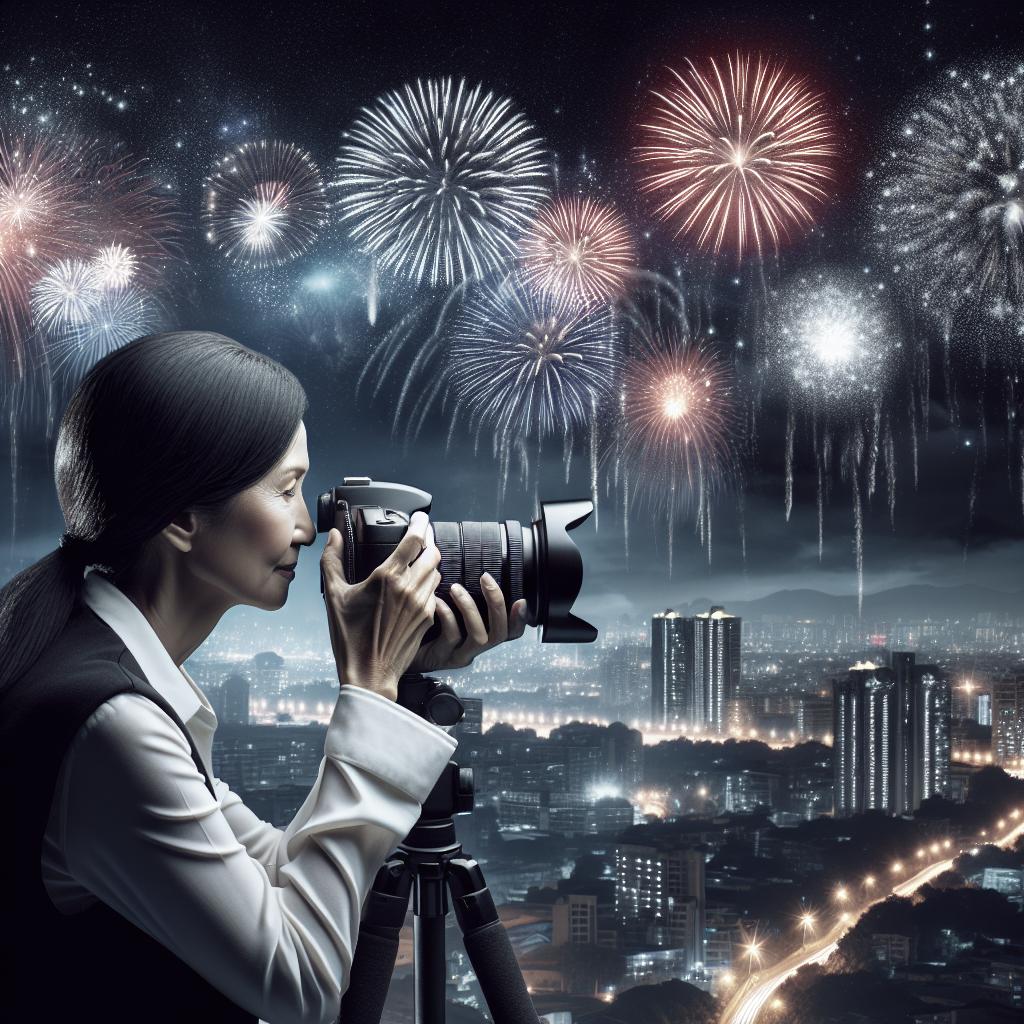
Photographing fireworks can be a thrilling yet challenging experience. With the right equipment and techniques, you can capture breathtaking images that showcase the vibrant colors and dynamic motion of fireworks displays. This blog post will guide you through the essential gear, camera settings, and compositional techniques needed to conquer the challenge of photographing fireworks. We’ll also discuss the importance of location and atmospheric conditions, such as wind direction, that can affect your shots. By the end, you’ll be equipped with the knowledge to elevate your fireworks photography to the next level.
Photographing Fireworks Can be Challenging, but the Results are Worth the Effort!
Photographing fireworks is not only challenging due to the nature of shooting in low light but also because of the unpredictability of fireworks displays. However, the results can be incredibly rewarding, providing a unique opportunity to capture an extraordinary spectacle of light and color.
With patience and preparation, you can master the art of photographing fireworks. From selecting the right equipment to understanding the technical settings, each step plays a crucial role in achieving stunning photographs. The key is to be adaptable and ready to adjust your approach based on the changing conditions of the event.
What to Bring
Preparation is key when it comes to photographing fireworks. You’ll need to pack not only your camera and lenses but also essential accessories that can make all the difference. A sturdy tripod is non-negotiable for ensuring stability during long exposures.
Additionally, a remote shutter release can prevent camera shake, while extra batteries and memory cards will ensure you’re well-equipped for the entire duration of the event. Don’t forget a flashlight to help you navigate and adjust your equipment in low light conditions.
Camera Considerations
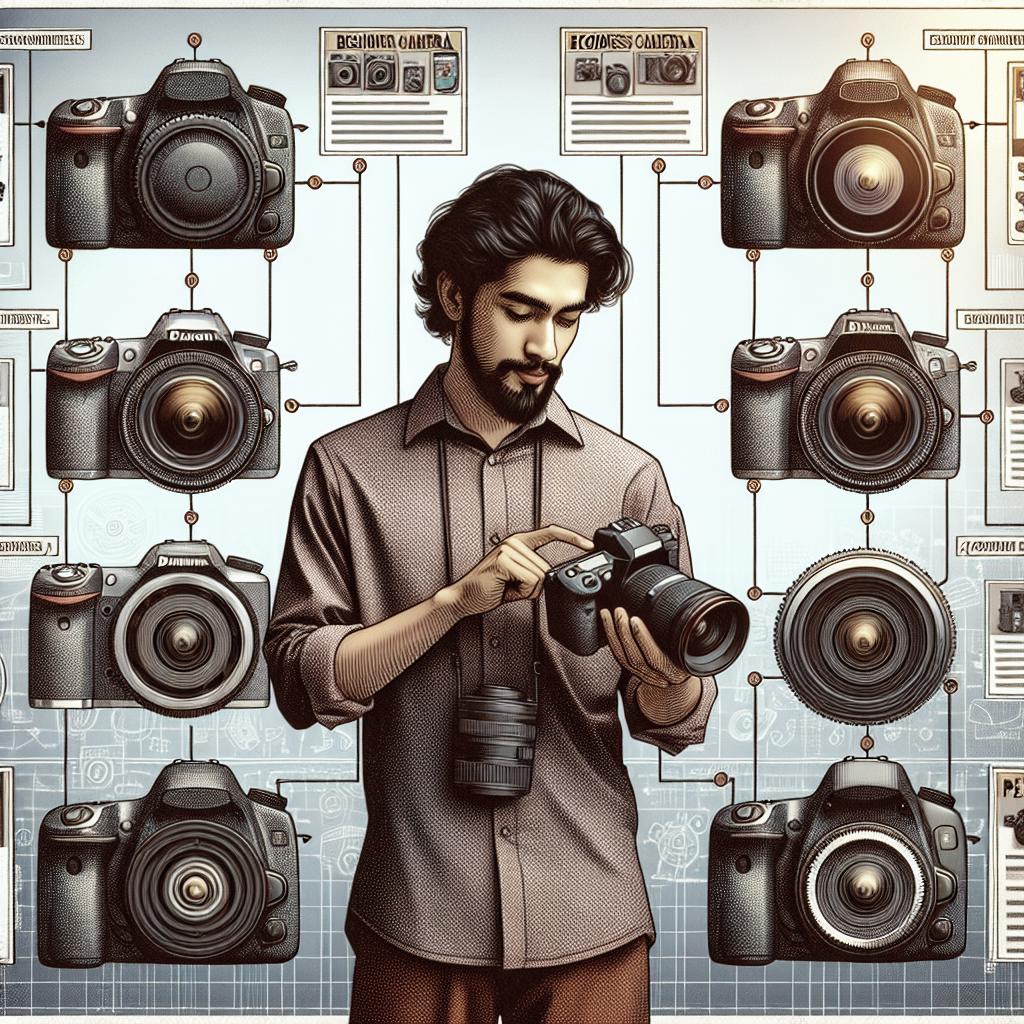
Your choice of camera is crucial for fireworks photography. Ideally, you should use a DSLR or mirrorless camera that offers manual controls over settings such as ISO, shutter speed, and aperture. These cameras allow for greater flexibility and precision.
If you only have access to a smartphone, don’t worry too much. Many newer models have features that can be adjusted for low-light photography. However, the lack of manual controls might make capturing the ideal shot more challenging.
Lens Considerations
Choosing the right lens is just as important as selecting the right camera. A wide-angle lens is often the best choice for fireworks photography as it allows you to capture the entire scene, including the crowd and surrounding environment.
If you wish to focus solely on the fireworks, a mid-range zoom lens can provide versatility, allowing you to vary your composition as the display progresses. Be mindful of lens speed; faster lenses work better in low-light conditions, ensuring sharper images.
Why You Need a Tripod for Fireworks Photography
A tripod is an indispensable tool when photographing fireworks. The stability it provides is crucial for capturing the long exposures needed to encapsulate the movement and brightness of fireworks without introducing blur.
Invest in a sturdy tripod with adjustable height and a flexible head that can rotate. This will allow you to experiment with different compositions and capture the perfect shot with ease.
The 10 Necessary Camera Settings for Photographing Fireworks
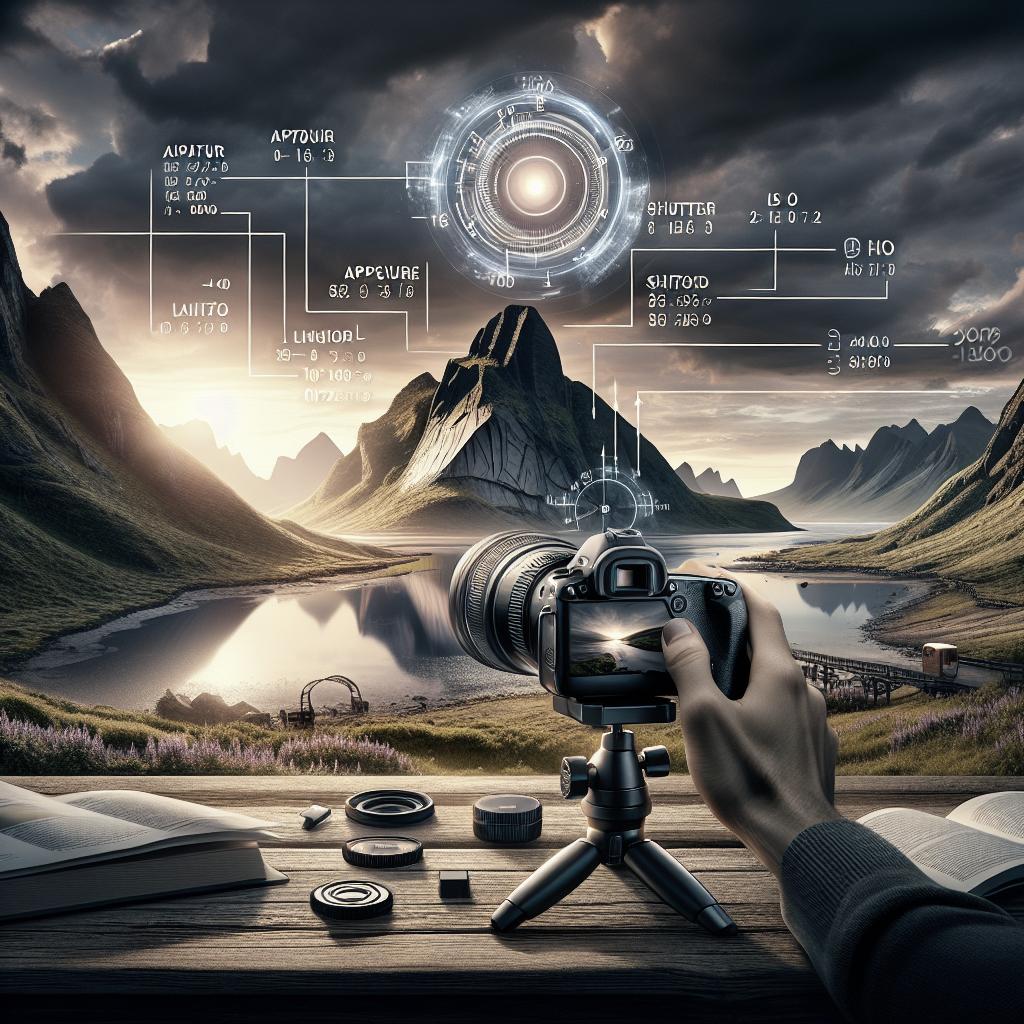
Mastering your camera settings can set the groundwork for successful fireworks photography. Some essential settings include ISO 100-200 to minimize noise, a small aperture (f/8-f/16) for increased depth of field, and a slow shutter speed to capture the full effect of the fireworks’ trails.
Don’t forget to set your camera to manual mode to have complete control over these settings. Additionally, turning off auto-focus, using manual focus, and disabling flash will ensure that the fireworks are captured in their best light.
More Info on Shutter Speed
Understanding and manipulating shutter speed is crucial in fireworks photography. Long exposures, typically between 2 and 10 seconds, can capture the entire burst of a firework, including its rise and trail.
The specific duration will depend on both the type of firework and your desired effect. Experiment with different speeds to find the best results, keeping in mind that longer exposures will incorporate more ambient light.
Using “Bulb” Mode
For the seasoned photographer, the “Bulb” mode is an exciting option for fireworks photography. It allows you to manually control the duration of your shutter opening, perfect for capturing unpredictably-timed fireworks bursts.
Use a remote shutter release to keep the shutter open for as long as you’d like. Release the button when the explosion fades for incredible, tailor-made images.
How to Acquire Precise Focus
Focusing in low light can be quite challenging. However, by switching to manual focus and pre-focusing on a distant, bright object before the display begins, you can ensure your photos are sharp.
Another effective approach is to use live view, which digitally magnifies your frame, allowing you to adjust your focus with precision. Consider practicing this technique to get comfortable with your focus settings before the main event.
Finding Good Locations to Photograph Fireworks
The importance of location cannot be understated. Choose a place with minimal light pollution, a clear view of the sky, and ideally some foreground interest like silhouettes or architecture that can add depth to your images.
Arrive early to secure your spot, and remember to respect local regulations regarding private property and safety instructions.
How to Compose Your Fireworks Photos
Composition is as important in fireworks photography as in any other form of photography. Framing fireworks symmetrically can lead to stunning results, while asymmetrical compositions can add a unique dynamic to your images.
Experiment with including elements of the surroundings in your frame, like city skylines or reflections in water, to add context and interest to your photos.
Watch Out for Wind Direction
Wind direction is a variable that can be overlooked but plays a significant role in your final images. Ideally, position yourself upwind so that smoke is cleared from your frame, resulting in cleaner shots.
Be flexible and ready to move if the wind changes direction mid-display, ensuring you maintain a clear view of the fireworks themselves.
My Challenge to You
Now equipped with all these tips, my challenge to you is to head out to the next fireworks event with confidence and creativity. Experiment with different settings, angles, and compositions to truly unleash your photographic potential.
Share your best shots on social media or photography platforms and tag me—I’d love to see what you’ve captured and give feedback to help you continue to improve.
Related Articles
- Mastering Night Photography: Tips and Tricks
- The Best Cameras for Low-Light Photography in 2023
- How to Use Long Exposure for Stunning Photo Effects
Future Prospects
| Topic | Summary |
|---|---|
| Photographing Fireworks | Photographing fireworks can be challenging due to low light and unpredictability but is highly rewarding with proper preparation. |
| Equipment and Accessories | Essentials include a camera with manual settings, multiple lenses, a tripod, remote shutter release, and extra batteries. |
| Camera and Lens Considerations | Manual control cameras and wide-angle or mid-range zoom lenses are essential for capturing full scenes or focusing on fireworks. |
| Techniques and Settings | Camera settings include manual mode, ISO 100-200, aperture f/8-f/16, and shutter speeds between 2-10 seconds; “Bulb” mode is also a useful technique. |
| Composition and Conditions | Consider foreground interest and symmetrical framing; location and wind conditions are crucial for clear and dynamic images. |
“`