“`html
Introduction
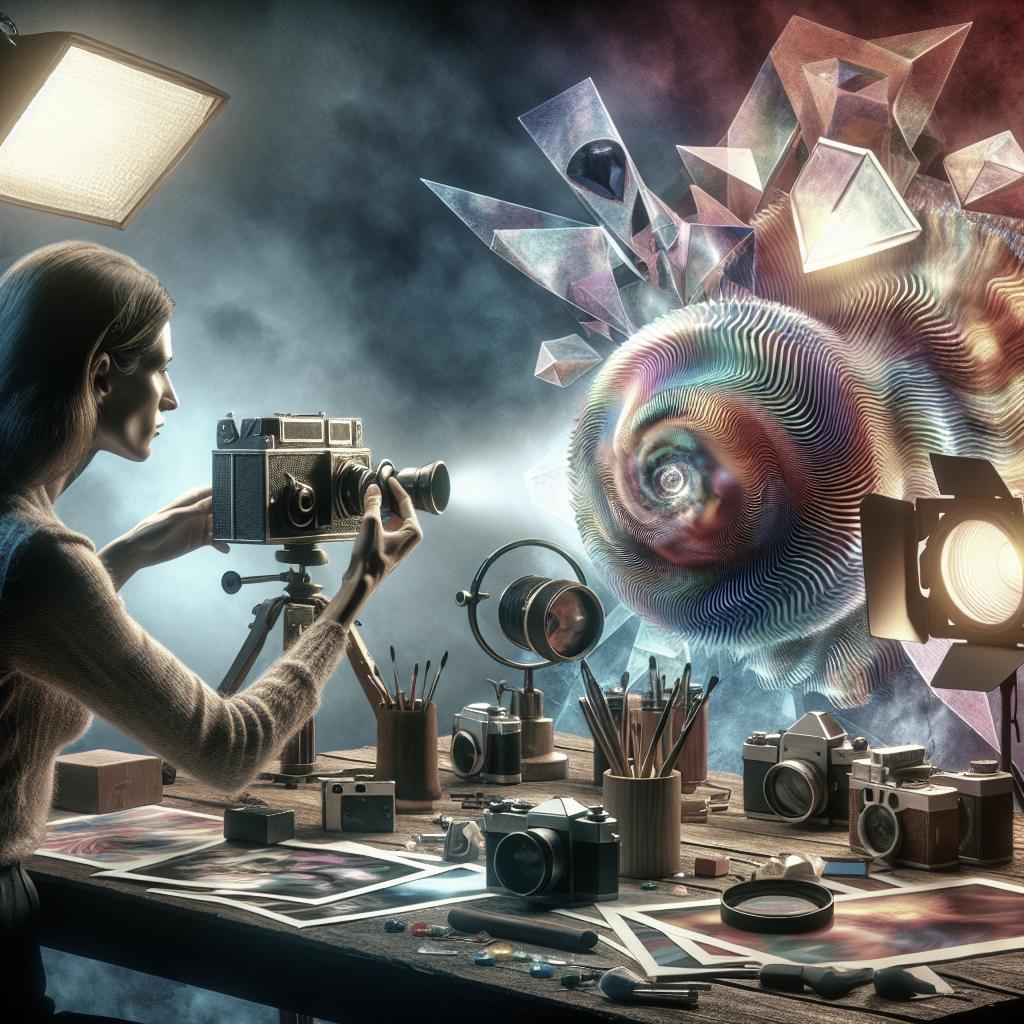
Abstract photography allows for boundless creativity and unconventional representations of the world. Unlike traditional photography, which often captures literal scenes, abstract photography focuses on elements such as color, shape, and texture. This blog post explores the intriguing world of abstract photography by defining its core concepts, comparing it to traditional photography, and discussing essential techniques. We will also delve into composition strategies and sources of inspiration, providing a roadmap for aspiring photographers eager to experiment with abstraction. Lastly, common challenges faced in this unique art form will be tackled, offering insights into developing a personal abstract photography style and guidance for future exploration in the field.
Understanding Abstract Photography
Definition and Concept
Abstract photography is an art form that emphasizes aesthetic components rather than recognizable subjects. It prioritizes the exploration of colors, shapes, patterns, and textures to create images that evoke emotions or provoke thought. The goal is to capture the essence of the subject through abstraction, allowing viewers to interpret the image subjectively.
This approach challenges traditional norms, encouraging photographers to break free from conventional rules. By not confining itself to depicting reality, abstract photography offers immense creative freedom, providing photographers with the opportunity to push the boundaries of their artistic imagination.
Importance in Art
Abstract photography holds a significant place in art due to its ability to inspire and evoke emotions without relying on identifiable imagery. It bridges the gap between photography and abstract art, allowing artists to explore concepts beyond the visual limitations of reality. By focusing on elements like form, color, and texture, abstract photography creates visual experiences that resonate with viewers on a deeper level.
Moreover, abstract photography encourages experimentation and innovation, offering photographers the chance to craft unique, personal expressions that captivate audiences and redefine aesthetic expectations. This freedom to interpret and innovate is what makes abstract photography an essential component of modern art.
Difference from Traditional Photography
While traditional photography aims to capture realistic images, abstract photography is about creating artworks that allow viewers to derive their interpretations. Traditional photography often focuses on composition, lighting, and subject clarity, emphasizing a clear and realistic portrayal. In contrast, abstract photography delves into the imaginative exploration of lines, forms, and colors, emphasizing artistic expression over literal representation.
This distinction highlights the varied approaches and mindsets needed for different types of photography. While realism captures the world as it is, abstraction invites photographers to delve into imagination and perception, producing visual narratives that stimulate curiosity and engagement.
Essential Techniques for Abstract Photography
Intentional Camera Movement (ICM)
Intentional Camera Movement involves moving the camera during exposure to create blurs and distortions, transforming a recognizable scene into an abstract one. This technique emphasizes blending colors and shapes, enriching compositions with dynamic motion. Photographers can experiment with varying speeds and directions to achieve desired effects.
With practice, ICM can produce ethereal and dreamlike images, where fragments of reality blend seamlessly into abstraction. It requires a level of spontaneity and creativity, granting photographers freedom to express their interpretation of the world uniquely.
Macro and Close-up Shots
Focusing on macro and close-up photography can offer fascinating insights into abstraction. By capturing minute details and textures, photographers can emphasize intricate patterns and colors often overlooked in regular photography. This perspective can render ordinary subjects into extraordinary, almost unrecognizable, forms.
In abstract photography, macro shots push boundaries by revealing unexpected beauty in everyday objects. Whether focusing on the delicate patterns of a leaf or the texture of a fabric, macro photography encourages an intimate exploration of abstract textures and forms.
Playing with Light and Shadow
Manipulating light and shadow is a fundamental aspect of abstract photography. By experimenting with the direction, intensity, and quality of light, photographers can create dramatic contrasts and emphasize shapes and textures in unique ways. Shadows can be used to obscure parts of the scene, adding mystery and allure to the composition.
Light and shadow interplay elevates abstract images by enhancing depth and dimension. Whether using natural lighting or artificial sources, understanding and harnessing these elements can lead to compelling abstractions that intrigue and captivate viewers.
Exploring Composition in Abstract Photography
The Rule of Thirds
The Rule of Thirds is a guideline that suggests dividing the frame into nine equal segments using two vertical and two horizontal lines. Placing the subject along these lines or at their intersections can enhance visual interest and balance. In abstract photography, applying this rule can help organize elements within an unconventional composition, creating harmonious and engaging images.
Though abstract photography emphasizes creativity, employing compositional rules like the Rule of Thirds can foster a sense of balance and structure, guiding the viewer’s eye and enhancing the image’s overall aesthetic.
Negative Space
In abstract photography, negative space is crucial for emphasizing the subject and creating a sense of balance. Negative space refers to the empty areas surrounding the main subject, which can be used to draw attention to focal points or evoke emotions. By strategically incorporating negative space, photographers can add depth and intrigue to their compositions.
Consider how the absence of elements can enhance the presence of others. This technique encourages viewers to focus on the abstract qualities of the subject, allowing room for imagination and personal interpretation.
Patterns and Repetition
Patterns and repetition offer another avenue for abstract photographers to explore, providing a sense of rhythm and structure within an image. By focusing on repeating shapes, colors, or textures, photographers can create images that highlight the symmetry and order found in various subjects.
Abstract photography thrives on these harmonious elements, enticing viewers with captivating visual motifs that transcend ordinary perception, turning mundane scenes into extraordinary visual narratives.
Finding Inspiration for Abstract Photography
Everyday Objects
Everyday objects serve as a rich source of inspiration for abstract photography. By looking beyond the object’s utilitarian purpose, photographers can explore abstract forms, colors, and textures within them. A spoon’s reflective surface, a crumpled piece of paper, or even scattered cutlery can be transformed into compelling abstract compositions.
The key is to adopt a fresh perspective, examining mundane objects with an artistic eye. Experimenting with angles, lighting, and framing can yield surprising results, challenging viewers to see the familiar in novel ways.
Nature and Landscapes
Nature and landscapes offer endless potential for abstract photography. From the intricate patterns on a leaf to the play of colors in a sunset, natural elements provide ample opportunity for abstraction. By focusing on textures, shapes, and colors, photographers can capture the essence of nature in a unique, artistic way.
Consider the fluidity of water, the complexity of tree bark, or the mesmerizing forms of clouds. Abstract photographs of nature highlight the beauty in details and invite viewers to appreciate the wonders of the environment from a fresh perspective.
Urban Environments
Urban environments provide a wealth of abstract photography opportunities. The geometric patterns found in architecture, the interplay of lights and shadows in cityscapes, and the vibrant colors of street art and graffiti present a playground for creativity. Abstract photography in urban settings can highlight the contrasts and complexities of city life.
By examining urban elements with a creative lens, photographers can reveal the artistic potential within the chaos and structure of city environments, turning cityscapes into stunning abstract artworks.
Developing Your Abstract Photography Style
Developing a personal style in abstract photography involves exploring various techniques, drawing inspiration from different sources, and refining one’s creative vision. Experimentation is crucial, enabling photographers to find what resonates with them artistically. Continually challenging oneself to try new methods or perspectives can lead to the discovery of a unique style.
Moreover, studying the work of established abstract photographers can offer valuable insights and inspire new approaches. By analyzing different styles and understanding their impact, photographers can craft their unique voice within the art form, reflecting their interpretations and emotions through their work.
Overcoming Challenges in Abstract Photography
Abstract photography poses unique challenges, such as conveying meaning through non-representational images and achieving a balance between abstraction and artistic intent. Developing technical skills and perseverance are key to overcoming these challenges.
Feedback from peers and mentors can provide constructive insights, helping photographers identify areas for growth. By embracing a learning mindset and continuously refining one’s skills and approach, photographers can navigate obstacles and foster their artistic development in abstract photography.
Future Prospects
Exploring abstract photography can open up a world of creative possibilities. By embracing techniques like intentional camera movement, macro photography, and light manipulation, photographers can delve into a rich tapestry of artistic expression. From everyday objects to urban landscapes, inspiration abounds for those willing to view the world from an abstract lens.
As photographers refine their techniques and develop their unique styles, the journey of abstract photography offers ongoing opportunities for growth and innovation. Whether building a personal portfolio or contributing to modern art’s evolving landscape, abstract photographers will continue to push creative boundaries, enriching the art form for future generations.
Here’s a summary of the key points discussed:
| Sections | Summary |
|---|---|
| Understanding Abstract Photography | Definition, importance in art, and difference from traditional photography |
| Essential Techniques | Intentional Camera Movement, Macro and Close-up Shots, Playing with Light and Shadow |
| Exploring Composition | The Rule of Thirds, Negative Space, Patterns and Repetition |
| Finding Inspiration | Everyday Objects, Nature and Landscapes, Urban Environments |
| Developing Style | Finding and refining a personal abstract photography style |
| Overcoming Challenges | Techniques and mindset to address challenges in abstract photography |
FAQs – Abstract Photography
What is abstract photography?
Abstract photography focuses on elements like color, shape, and texture rather than capturing recognizable subjects, allowing for creative expression and personal interpretation.
How can I start experimenting with abstract photography?
Begin by exploring different techniques such as intentional camera movement, macro photography, and playing with light and shadow. Seek inspiration in everyday objects and various environments to cultivate your creativity.
What are common challenges faced in abstract photography?
Challenges include conveying meaning through abstraction, finding balance between chaos and structure, and developing a unique artistic voice. Overcoming these requires skill development, experimentation, and feedback.
“`