“`html
Understanding the Ethical Considerations in Photography
Photography is a powerful medium that captures moments, tells stories, and evokes emotions. However, with great power comes great responsibility. Ethical photography is about understanding the moral implications of capturing an image and respecting the subjects within it. From ensuring privacy and obtaining consent to navigating copyright laws and responsibly sharing images, photographers must be conscientious. This article explores these critical aspects, offering guidance on how photographers can operate ethically in an ever-evolving field. Embracing ethical practices not only enriches the photographer’s work but also builds trust and integrity within the community.
What is Ethical Photography?
Ethical photography is the practice of taking photographs that respect the rights, dignity, and privacy of subjects. It involves making conscious decisions that align with moral principles, ensuring that the images captured do not exploit individuals or communities. As photographers wield significant influence over perception with the images they produce, they must consider the real-world impact of their work.
This entails being aware of cultural sensitivity, avoiding stereotypes, and ensuring that photographs do not propagate harmful narratives. Ethical photographers strive to represent subjects honestly without manipulation that may lead to false interpretations. They also take into account the context of their work, ensuring that the stories they tell are truthful and respectful.
Respecting Privacy in Photography
Respecting privacy is a paramount consideration in the world of photography. In public spaces, individuals may be photographed unintentionally; however, it is the photographer’s duty to assess whether the image infringes on anyone’s privacy. Capturing people in vulnerable situations, without their knowledge or consent, can be invasive and unethical.
Professional photographers often face dilemmas when their assignment necessitates photographing people in private or sensitive settings. In such instances, acquiring explicit permission or employing discretion is imperative. Respectful practices not only follow moral codes but also build trust with the subjects and the audience of the work.
When to Ask for Consent in Photography
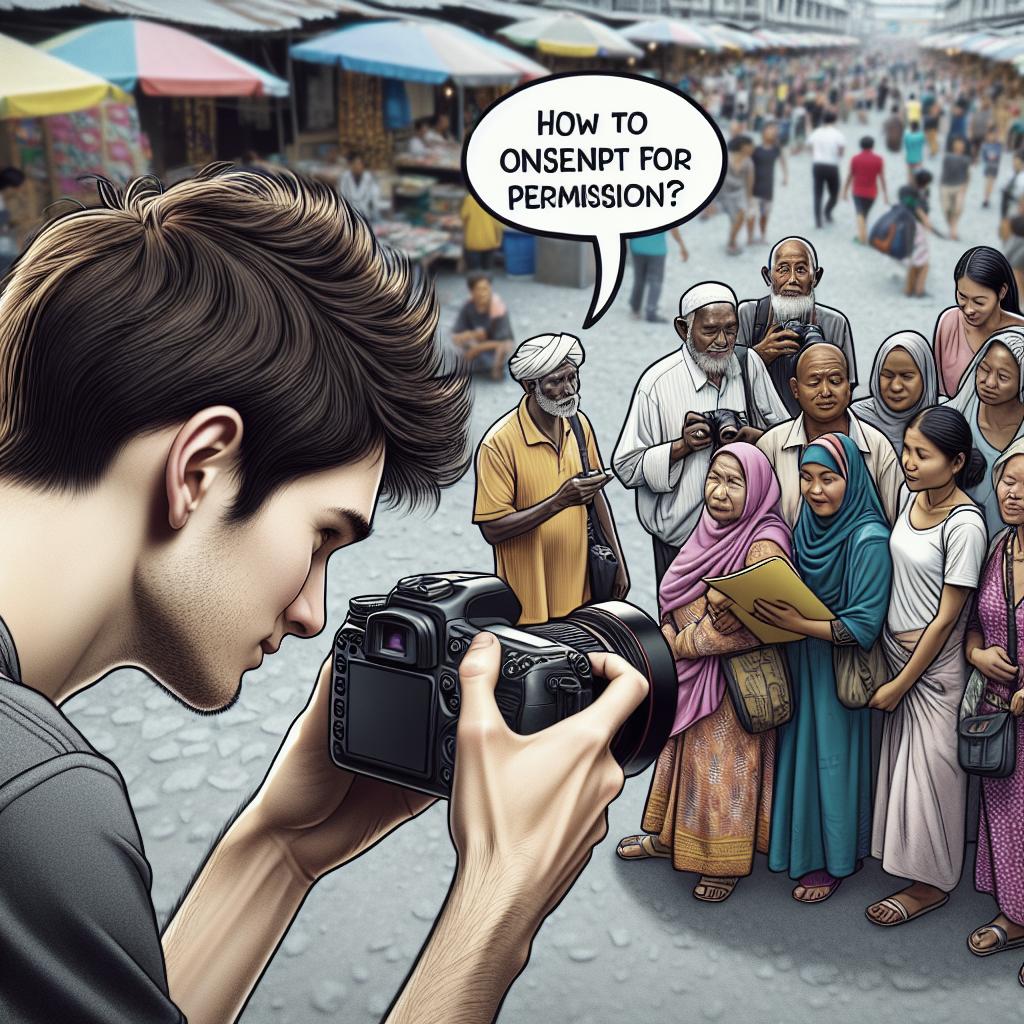
Asking for consent is a fundamental tenet of ethical photography. Photographers must clearly understand when it is necessary to seek permission to photograph individuals. Consent is crucial when identifying details like faces, tattoos, or distinctive clothing might make someone recognizable in the image.
Various scenarios may arise, requiring different approaches to obtaining permission. For instance, at events, general consent may be gathered beforehand. For street photography, where spontaneity is key, photographers can approach individuals post-capture, especially if they plan to publish the images widely. Respectfully asking for permission highlights the photographer’s professionalism and consideration towards individuals.
The Consequences of Unethical Photography
The consequences of unethical photography can be significant, both professionally and personally. On a professional level, unethical practices can lead to legal consequences, damage to reputation, and loss of trust from subjects and audiences. Releasing unauthorized images can result in defamation suits, copyright claims, and financial reparations.
Moreover, personal relationships may suffer if individuals feel exploited or disrespected through unethical photography. Images that misrepresent or harm a subject’s dignity can lead to emotional distress, damaged relationships, and community backlash, ultimately affecting the photographer’s credibility and potential future opportunities.
How to Get Consent
Securing consent involves transparent communication with subjects about the purpose and use of the photographs being taken. For written consent, documents should clearly outline the context and purpose for capturing the image, detailing how it will be used in media or other platforms.
In situations where written consent isn’t feasible, verbal agreements can suffice. However, photographers should document these interactions whenever possible. Building rapport with subjects and providing them with key information about the project can ease concerns and lead to a more cooperative and respectful photographic process.
Navigating Copyright Laws
Understanding copyright laws is essential for photographers to protect their work while respecting the intellectual property rights of others. Generally, copyright is automatically assigned to the photographer upon creating an original image, granting them exclusive rights over its use and distribution.
Photographers should be aware of licensing options, which allow others to use their images under specific terms. It’s also crucial to respect others’ copyrighted works by obtaining necessary permissions or using images under appropriate licenses such as Creative Commons. Adhering to these laws not only protects creative work but also upholds professional standards.
How to Protect Your Work: Watermarking and Metadata
Photographers can protect their work from unauthorized use by employing techniques such as watermarking and embedding metadata. Watermarking visibly marks an image with the creator’s logo or name, deterring misuse by identifying the photographer as the owner of the work.
Metadata involves embedding information about the photograph within the file, including copyright notices, contact information, and licensing details. This data travels with the image, alerting users to ownership details, even if the image is shared or reposted online without permission. Such methods are effective in maintaining control over intellectual property.
How to Handle Copyright Infringement
Copyright infringement occurs when someone uses a photograph without the owner’s permission. Photographers must take swift action to address such violations, starting with sending a cease-and-desist letter demanding the unauthorized use to cease and removal of the image.
If informal resolutions prove unsuccessful, photographers may need to resort to legal action, which can involve filing a lawsuit to seek compensation. However, prior to this, it’s advisable to consult with a legal professional to explore potential avenues for resolving infringement amicably.
Sharing Images Responsibly
Responsible sharing of images is crucial in today’s digital age, where content can spread rapidly across platforms. Photographers should establish clear guidelines on how their images can be shared, including setting privacy settings and watermarking images before uploading them to social media and websites.
Additionally, photographers should consider the context and potential implications of an image before sharing it publicly. Images revealing sensitive information or potentially impacting the subject negatively should be approached with caution. Recognizing the responsibility attached to image distribution is essential for maintaining ethical standards.
Emerging Trends and Challenges in Ethical Photography
The digital era continually reshapes the landscape of ethical photography, bringing forward new trends and challenges. The rise of AI-generated images and deepfakes presents unique ethical concerns as they blur the lines between authentic and manipulated content, demanding sophisticated methods of identifying and mitigating misrepresentations.
Moreover, the pervasive use of surveillance cameras and drones has intensified discussions on privacy rights, as people are increasingly monitored and recorded without consent. Staying informed about these technological advancements and adapting ethical practices accordingly is imperative in navigating the modern challenges of photography.
In Conclusion
Ethical photography is an ongoing commitment to integrity, respect, and accountability in the art and process of capturing images. By adhering to ethical guidelines, photographers can ensure their work honors the dignity and rights of their subjects. The knowledge and application of privacy laws, consent procedures, and copyright protection mechanisms empower photographers to handle their responsibilities effectively in this evolving field.
| Topic | Key Points |
|---|---|
| What is Ethical Photography? | Involves respectful, honest representation and cultural sensitivity. |
| Respecting Privacy in Photography | Respect for individual privacy is paramount; crucial in public and private spaces. |
| When to Ask for Consent | Seek permission when subjects are recognizable; varies by context. |
| The Consequences of Unethical Photography | Legal repercussions, professional reputation damage, and personal conflicts. |
| How to Get Consent | Use written or verbal agreements; communicate clearly with subjects. |
| Navigating Copyright Laws | Understand ownership rights; use licensing to allow others usage. |
| Protecting Your Work | Use watermarking and metadata to safeguard intellectual property. |
| Handling Copyright Infringement | Address violations promptly with legal consultation if necessary. |
| Sharing Images Responsibly | Ensure images are distributed appropriately with awareness of implications. |
| Emerging Trends and Challenges | New technologies like AI and drones present evolving ethical issues. |
You may also like:
“`