“`html
How to Shoot High-Speed Photography
High-speed photography captures moments that occur too quickly for the naked eye to perceive. Whether it’s the splash of a water droplet or the majestic flight of a bird, high-speed photography requires precision, the right equipment, and an understanding of camera settings. This blog post will guide you through the essentials of high-speed photography, beginning with the necessary equipment and culminating in creative techniques that can elevate your work. We’ll also provide insights into setting up your shots, choosing the right camera settings, and methods for capturing stunning high-speed images. By the end of this article, you’ll have a comprehensive understanding of how to infuse creativity into your high-speed photography endeavors.
Equipment Needed
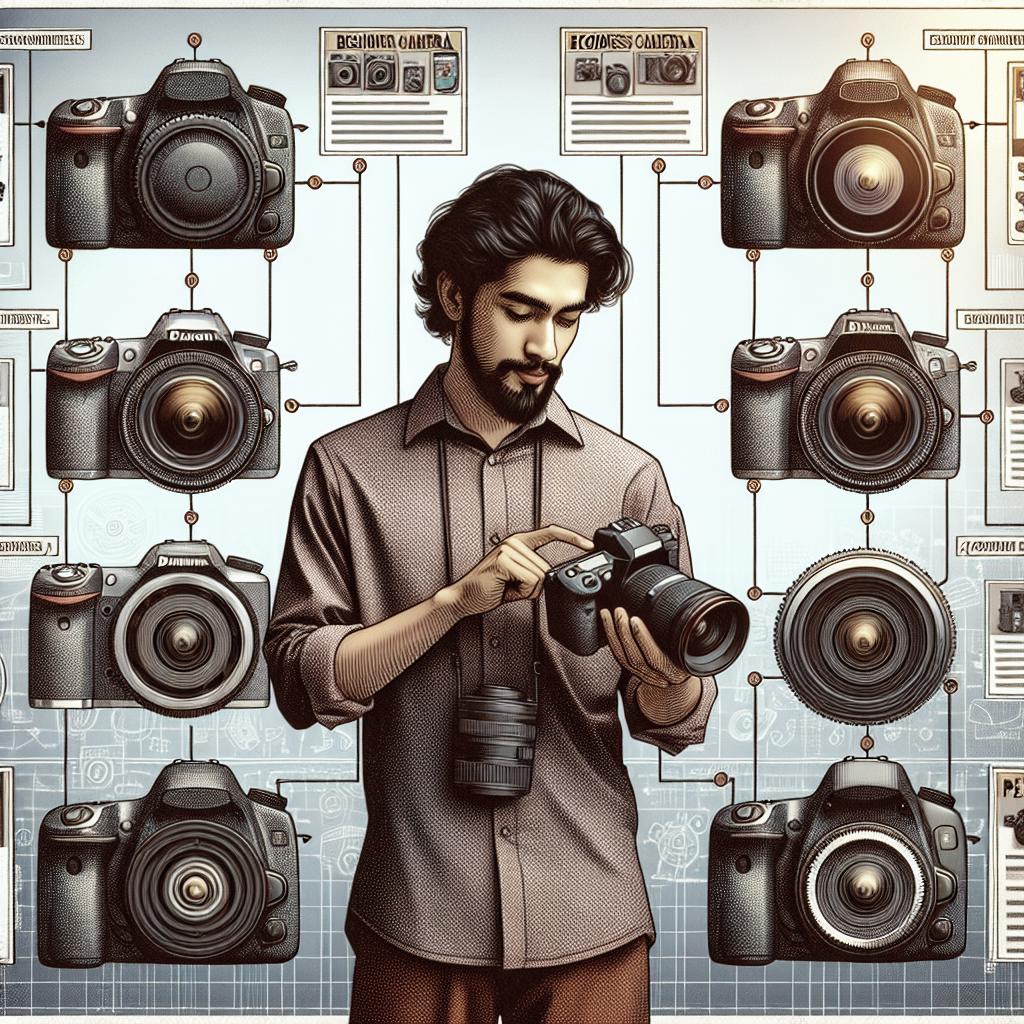
To capture the fleeting moments of high-speed events, you’ll need a camera with manual settings ability and a fast shutter speed. DSLR and mirrorless cameras are preferred because they offer high-quality image sensors and versatile settings. It’s important to have a camera that supports interchangeable lenses as this flexibility allows for greater creativity in framing and composition.
A sturdy tripod is equally critical to stabilize your shots and eliminate camera shake, especially when dealing with intricate compositions. Additionally, using an external flash can freeze motion effectively. The flash must have high-speed sync capability to accommodate fast shutter speeds.
Other helpful accessories include a remote shutter release to prevent any blur from button presses, and a macro lens if you plan to capture up-close details. Quality matters in high-speed photography, so investing in the right equipment will significantly impact your results.
Setting Up Your Composition
The composition is a fundamental component of any photograph, and this holds true for high-speed shots as well. First, identify the subject or action you wish to capture. Whether it’s a balloon bursting or a dancer in mid-leap, ensuring clarity and focus is key. Consider a background that contrasts with your subject to enhance visibility.
Lighting plays a vital role in high-speed photography. Most high-speed photographers utilize natural light or controlled studio lighting. Experiment with the direction, intensity, and type of lighting. Artificial lighting helps control the ambiance, so your shots maintain consistency despite external conditions.
Framing is another essential consideration. Make sure your subject has enough space to move within the frame without being cut off. Pre-focus your lens at the point where the action will occur, thus ensuring clarity and sharpness when the moment happens.
Camera Settings
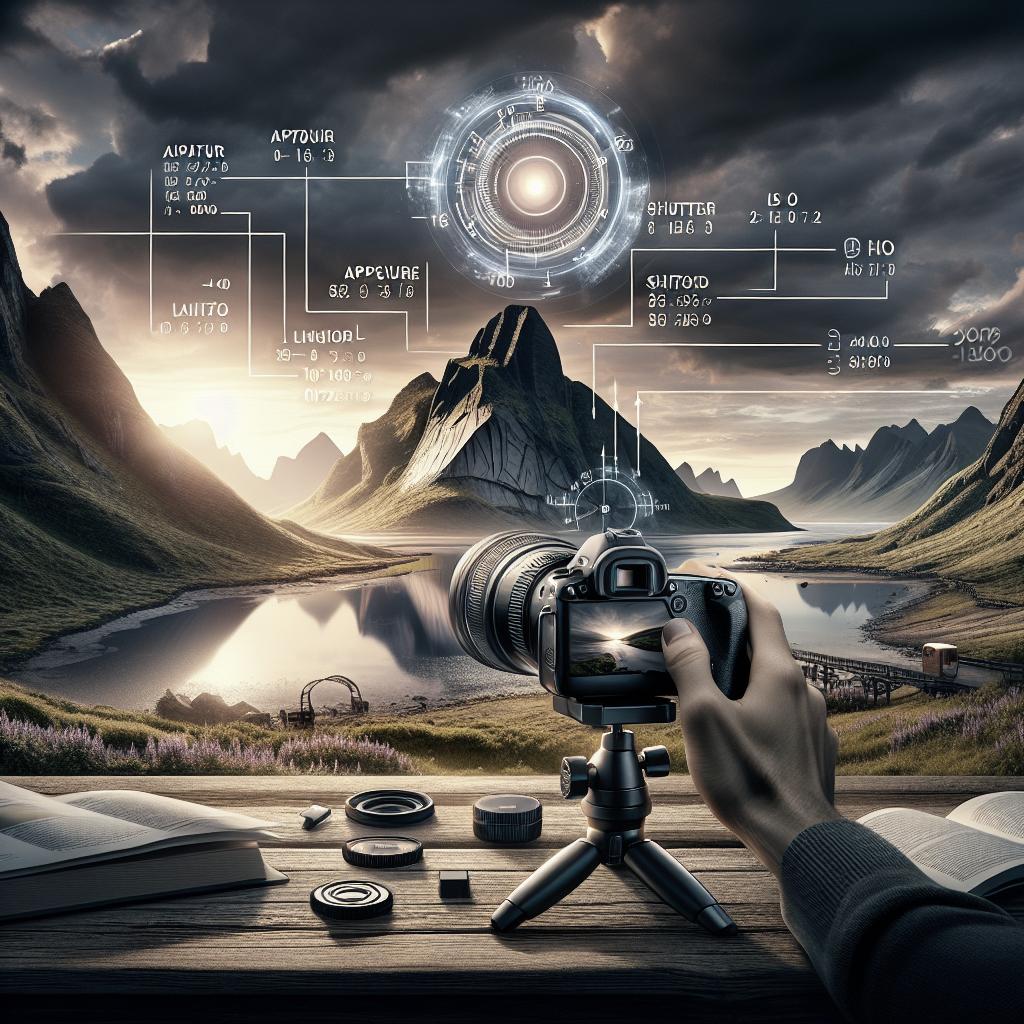
Understanding camera settings is crucial to mastering high-speed photography. A fast shutter speed, typically 1/1000 of a second or faster, is necessary to freeze the action. In situations where there is a lot of light, you can afford to increase the shutter speed further, capturing more detail without motion blur.
Pairing a fast shutter speed with an appropriate aperture is important. A lower f-stop, such as f/2.8 or f/4, can provide a shallow depth of field, drawing focus to your subject while isolating it from the background. However, this should be balanced with enough lighting.
The ISO setting should be kept as low as possible to minimize noise, typically starting at ISO 100 or 200. If more light sensitivity is required, gradually increase the ISO until you reach an acceptable brightness without compromising image quality.
Taking The Photographs
To capture the perfect high-speed photograph, timing is crucial. Before pressing the shutter, anticipate the action’s peak to ensure you capture the moment at its most dynamic. Using a burst mode feature can help as it takes multiple shots in quick succession, increasing your chances of getting a perfect shot.
Experimentation is very much a part of high-speed photography. You can trigger your shot via remote control or even manually, depending on timing and subject. Consider manually syncing the shutter release with an external trigger, such as a sound or motion sensor, for precision.
Feedback is immediate in digital photography, so review your shots and adjust as necessary. Modify your camera settings or lighting setup based on your results to gradually work towards your desired outcome.
Creative Alternatives
Beyond conventional methods, think creatively to inject uniqueness into your high-speed photography. Try using colored gels over your flash to introduce new hues and moods to your images. The addition of different backgrounds and props can also provide greater narrative depth to your photographs.
Slow-motion photography is another fascinating alternative. By using a slower shutter speed and capturing a series of rapid movements, this method combines motion blur and sharpness into a single frame, creating a dramatic effect.
Additionally, water or powder can be excellent mediums for high-speed shots. Capturing the impact and motion of liquids or dust spreading through the air can result in stunning and intricate visuals.
Final Thoughts
| Aspect | Details |
|---|---|
| Equipment Needed | Camera with manual settings, tripod, external flash, remote shutter release, macro lens. |
| Setting Up Your Composition | Identify subject, controlled lighting, frame with space for movement, pre-focus lens. |
| Camera Settings | Fast shutter speed, low f-stop, low ISO, adjust as needed. |
| Taking The Photographs | Anticipate action peak, use burst mode, consider external triggers, review shots, adjust. |
| Creative Alternatives | Colored gels, alternative backgrounds, slow-motion, liquids/powders. |
“`