“`html
Exploring Slow Shutter Speed Photography
Photography is a wondrous art of capturing light and freezing moments in time. Among the myriad techniques photographers employ, slow shutter speed photography stands out for its unique ability to highlight motion and create surreal visuals. This blog post delves into the intricacies of shutter speed, unraveling what it is, how it functions both physically and mechanically, and its profound impact on exposure. We’ll explore the spectrum between fast and slow shutter speeds, guide you on setting it up on your camera, and provide recommendations to boost your photographic prowess. Finally, download this comprehensive guide as an eBook for future reference.
What is Shutter Speed?
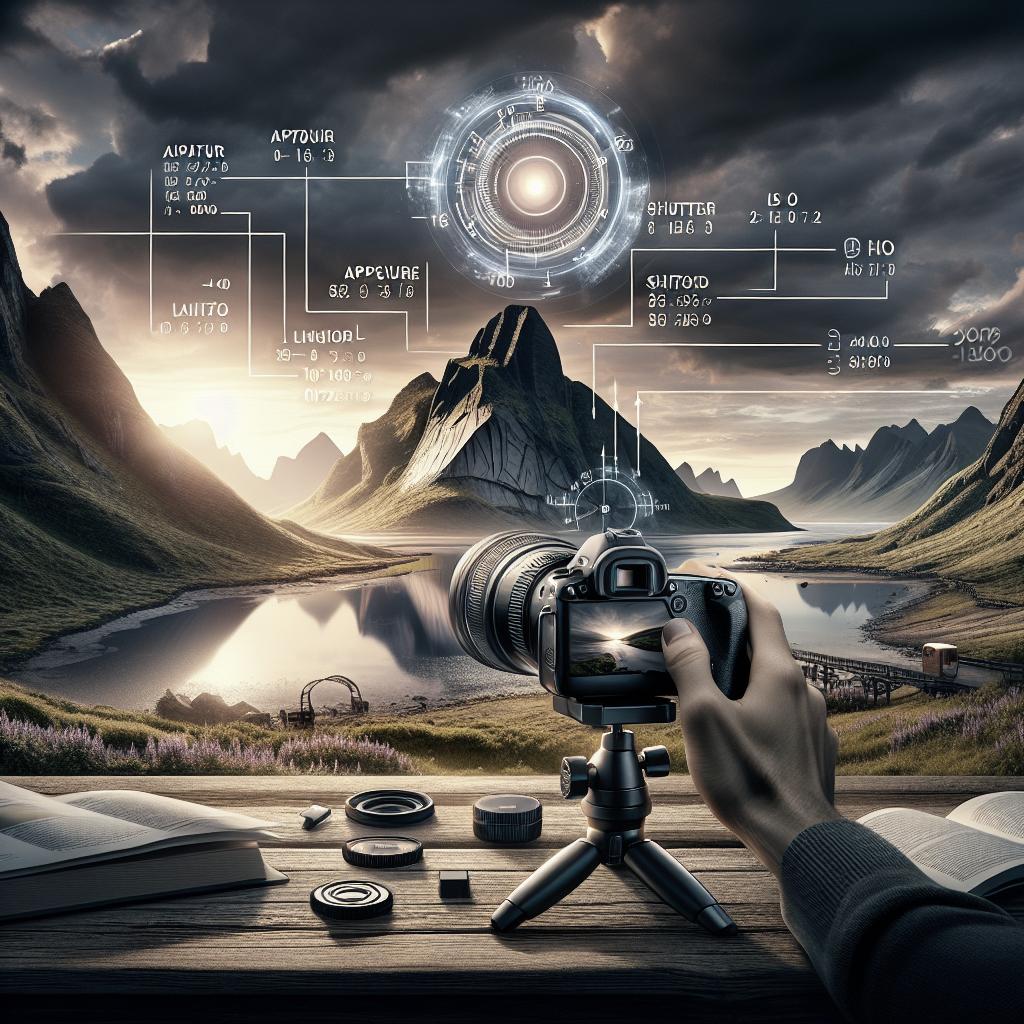
Shutter speed refers to the length of time a camera’s shutter remains open to allow light to hit the camera sensor or film. It is a critical component of the exposure triangle, which also includes aperture and ISO. In essence, shutter speed affects how much light enters the camera, and consequently, how motion is captured in a photograph.
In slow shutter speed photography, the emphasis is on extended exposure times, enabling the capture of motion in a scene. This technique can result in stunning effects, such as the silky smooth appearance of a flowing river or the mesmerizing trails of stars in the night sky.
How Does Shutter Speed Work at a Physical Level?
At a physical level, shutter speed dictates how long the camera’s sensor or film is exposed to light. In digital cameras, this is controlled by a mechanical or electronic shutter that opens and closes to let light in. The duration it stays open (the shutter speed) can range from fractions of a second to several minutes, or even hours.
By manipulating shutter speed, photographers can control motion blur. With a faster speed, movements appear frozen, while slower speeds capture the trajectory of moving subjects. This flexibility makes shutter speed a potent tool in a photographer’s arsenal to express creativity.
How Shutter Speed is Measured
Shutter speed is measured in seconds or fractions of a second. Common fast shutter speeds include 1/500, 1/1000, or even 1/2000 of a second. These are ideal for capturing fast-moving subjects, like athletes in action.
On the other hand, slow shutter speeds, such as 1/30 second or longer (e.g., 1″, 2″), serve to create motion blur, lending a dramatic effect to moving water, cloud streaks, or light trails. The terminology might slightly differ between camera manufacturers, but the principle remains consistent.
Shutter Speed and Exposure
Exposure in photography is the amount of light that hits the camera sensor. Shutter speed directly influences exposure by governing how long the light is allowed to impact the sensor. A slower shutter speed increases the exposure, as the sensor has more time to collect light.
This interdependency also means that altering the shutter speed necessitates adjustments in the other exposure settings—aperture and ISO—to maintain a balanced photograph. When shooting in low-light conditions, slower shutter speeds can help achieve the desired exposure without over-reliance on flash or high ISO settings.
Fast and Slow Shutter Speeds
Fast shutter speeds are typically used to freeze motion, essential for sports, wildlife photography, or when shooting rapidly moving objects. These settings limit exposure time to prevent motion blur, resulting in crisp and clear images.
Contrastingly, slow shutter speeds invite motion blur, used to communicate movement in a photograph creatively. Elements like flowing water, moving vehicles, or dancing lights can paint a picture of dynamism and energy, turning mundane scenes into works of art.
How to Set Shutter Speed
To set shutter speed, most modern cameras offer several modes, including Manual Mode (M), Shutter Priority Mode (S or Tv), and Aperture Priority Mode (A or Av). In Manual Mode, you can set both the shutter speed and aperture, giving you full control over your photo’s exposure.
In Shutter Priority Mode, you select the shutter speed, and the camera automatically adjusts the aperture to achieve the correct exposure. This mode is particularly useful when your main intent is to capture motion in a specific way.
How to Find Shutter Speed on a Camera
Most digital cameras display the shutter speed in the viewfinder or on the rear LCD screen. You can often locate it by looking for a number that resembles a fraction (e.g., 1/100, 1/200), indicating the fraction of a second the shutter will remain open.
The mechanism to adjust shutter speed varies by camera brand and model. Typically, you’ll use a dial or a menu system to modify the shutter speed to your preference. Consult your camera’s manual for precise instructions tailored to your equipment.
Recommended Shutter Speed Settings
When shooting fast-moving subjects like sports or wildlife, a shutter speed of 1/500s and higher is often recommended. For everyday situations, such as street photography or portraiture, speeds of 1/60s to 1/250s should suffice.
To achieve captivating slow shutter speed photographs of rivers or waterfalls, a shutter speed ranging from 1/15s to several seconds can be used. It’s advisable to use a tripod to prevent camera shake and ensure sharpness for static elements.
One of the most important camera settings in photography… how long your exposure is!
The length of your exposure, determined by shutter speed, is arguably one of the most powerful controls in photography. It not only dictates the amount of light captured but also how motion is perceived within the frame.
By mastering shutter speed adjustments, photographers can either freeze a fleeting moment or encapsulate the fluidity of movement, turning scenes into emotive stories. Experimenting with various speeds can yield unexpected and delightful results.
Download as an eBook
Deepen your understanding of slow shutter speed photography by downloading this article as an eBook. This handy resource condenses key concepts and practical tips, empowering you to wield your camera with newfound confidence and creativity.
| Concept | Main Points |
|---|---|
| Shutter Speed | Time length the camera’s shutter is open; affects exposure and motion capture. |
| Measurement | Measured in seconds/fractions of a second; impacts light exposure and motion appearance. |
| Exposure Relationship | Shutter speed influences exposure; slower speeds increase exposure time. |
| Setting Shutter Speed | Adjust settings using camera modes; mastery affects image outcome dramatically. |
| Recommended Settings | Varies by subject; 1/500s+ for action, slower for motion effects; use a tripod. |
“`