“`html
Enhancing Storytelling in Photo Essays
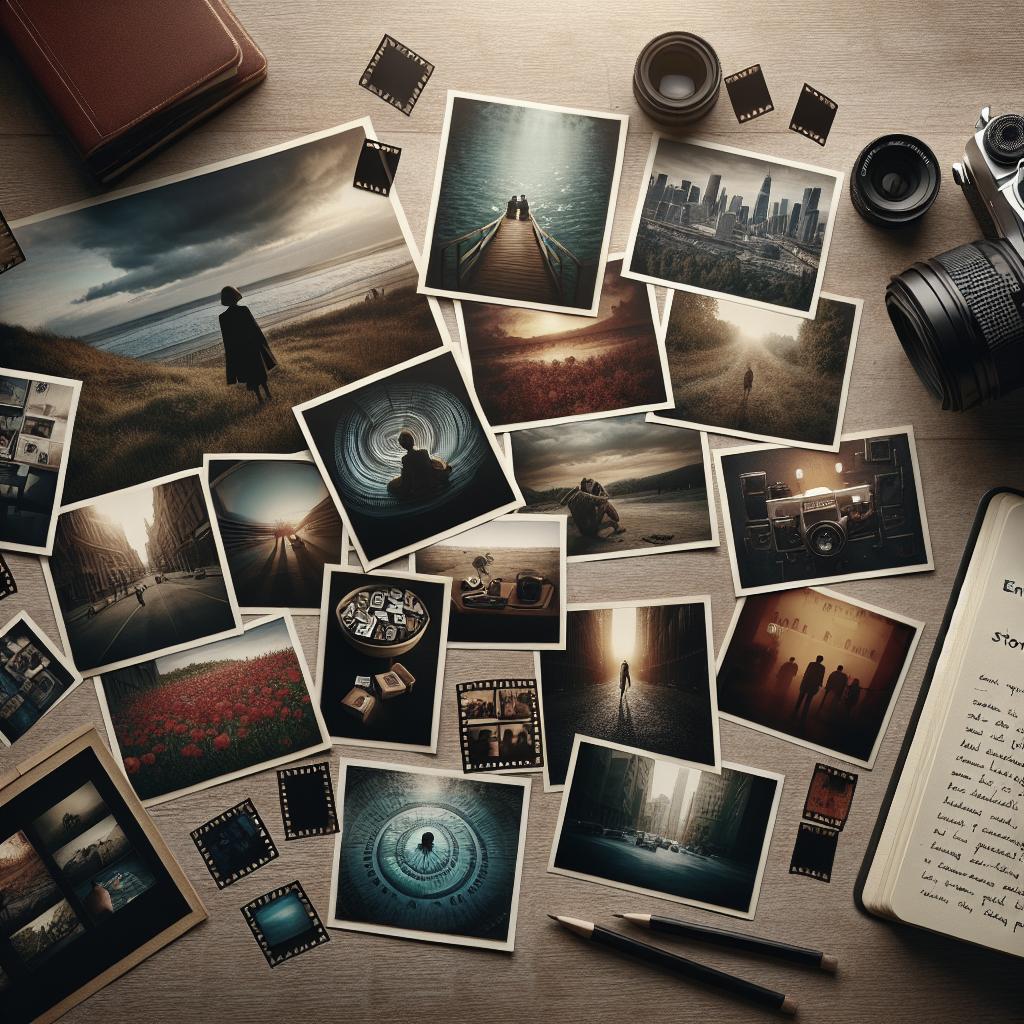
Photo essays are a powerful medium for storytelling, combining photography’s visual impact with the narrative depth of the written word. In this blog post, we’ll explore essential techniques for enhancing the storytelling aspect of your photo essays. From using an attention grabber to contextualizing your topic, creating the soul of your story, integrating visual styling, and finishing well, we’ll guide you through crafting compelling narratives. We also discuss the importance of selecting the right type of opening photo that sets the tone for your essay. These insights will help you create photo essays that truly resonate with your audience and evoke emotional responses.
Use an Attention Grabber
Starting with a captivating image or a thought-provoking question immediately draws your audience’s attention. The first impression is crucial in retaining the viewer and encouraging them to engage with the rest of your story. Choose an image that captures the essence of your narrative, something visually striking that evokes curiosity.
An attention grabber sets the pace for your essay, acting as the hook that draws viewers deeper into the narrative. This can be a moment of action, a powerful portrait, or an abstract concept that sparks intrigue. The goal is to set the stage for what’s to come, without revealing too much too soon.
Contextualize Your Topic
Providing context is necessary to enrich your story’s foundation. Begin by giving background information about your subject matter. This ensures that your audience understands the significance of the story you are about to share. Context can be geographical, historical, or cultural, depending on your essay’s focus.
Consider using captions or short narratives alongside your photos to add depth to the context. This method not only engages readers but allows them to connect with the material on a more personal level. Contextualizing your topic develops a deeper understanding and appreciation of the scenes unfolding in your images.
Create the Soul of Your Story
This involves developing the central theme or message you want to convey. It’s the heart of your photo essay, the emotional and intellectual journey you’ll guide your audience through. When establishing the soul of your story, consider the emotions and thoughts you want to elicit.
Your selection of photographs should align with this thematic core, each image contributing to the overall narrative. Whether it’s a story of hope, struggle, or joy, your photographs should build upon each other, taking the viewer on a journey that is coherent and impactful. Consistency in storytelling ensures that the theme resonates throughout.
Integrate Visual Styling
Visual styling plays a pivotal role in enhancing the storytelling aspect of photo essays. Consistent color themes, lighting choices, and composition styles tie the narrative together visually. Consider how elements like lines, shapes, and textures can add subtle layers to your story.
Editing tools are equally crucial in refining your photo essay’s visual style. Adjustments like brightening or highlighting certain tones can emphasize specific moments or emotions. Through careful styling, you can draw attention to key aspects of your visuals that further enhance the story.
Finish Well
The conclusion of your photo essay should be as powerful as the beginning. Your final image or series of images should leave a lasting impression, resolving the story or leaving the audience with a poignant question. This is your chance to provide closure or open up a dialogue.
Ending with a reflection or a call to action can also be effective. Encourage your viewers to think beyond the essay, to consider broader implications or personal connections. The end should encapsulate the journey of the essay, leaving space for contemplation and discussion.
Pick The Right Type of Photo to Start With
The opening photo is paramount in setting the tone for your photo essay. A strong starting image can convey atmosphere and mood, guiding the viewer’s initial perception and emotional response. Whether it’s a wide-angle landscape that establishes setting or a close-up that reveals detail, this image should be meticulously chosen.
Consider how your opening photo relates to the broader narrative. It should fit seamlessly within the thematic journey while also standing out as a captivating entry point. The right choice can dictate the pace and engagement level of your audience, leading them eagerly into the story you’ve crafted.
Final Thoughts
| Section | Summary |
|---|---|
| Use an Attention Grabber | Start with engaging images or questions to capture attention and set the narrative tone. |
| Contextualize Your Topic | Provide background information to enhance understanding and personal connection. |
| Create the Soul of Your Story | Develop a thematic core that guides the emotional and intellectual journey through consistent imagery. |
| Integrate Visual Styling | Use color themes, lighting, and composition to enhance the visual connection of the essay. |
| Finish Well | Conclude with impactful images that provide closure or spark further reflection and dialogue. |
| Pick the Right Type of Photo to Start With | Choose a strong opening photo to set the tone and engage the viewer from the outset. |
“`