“`html
Key Aspects of Concert Photography
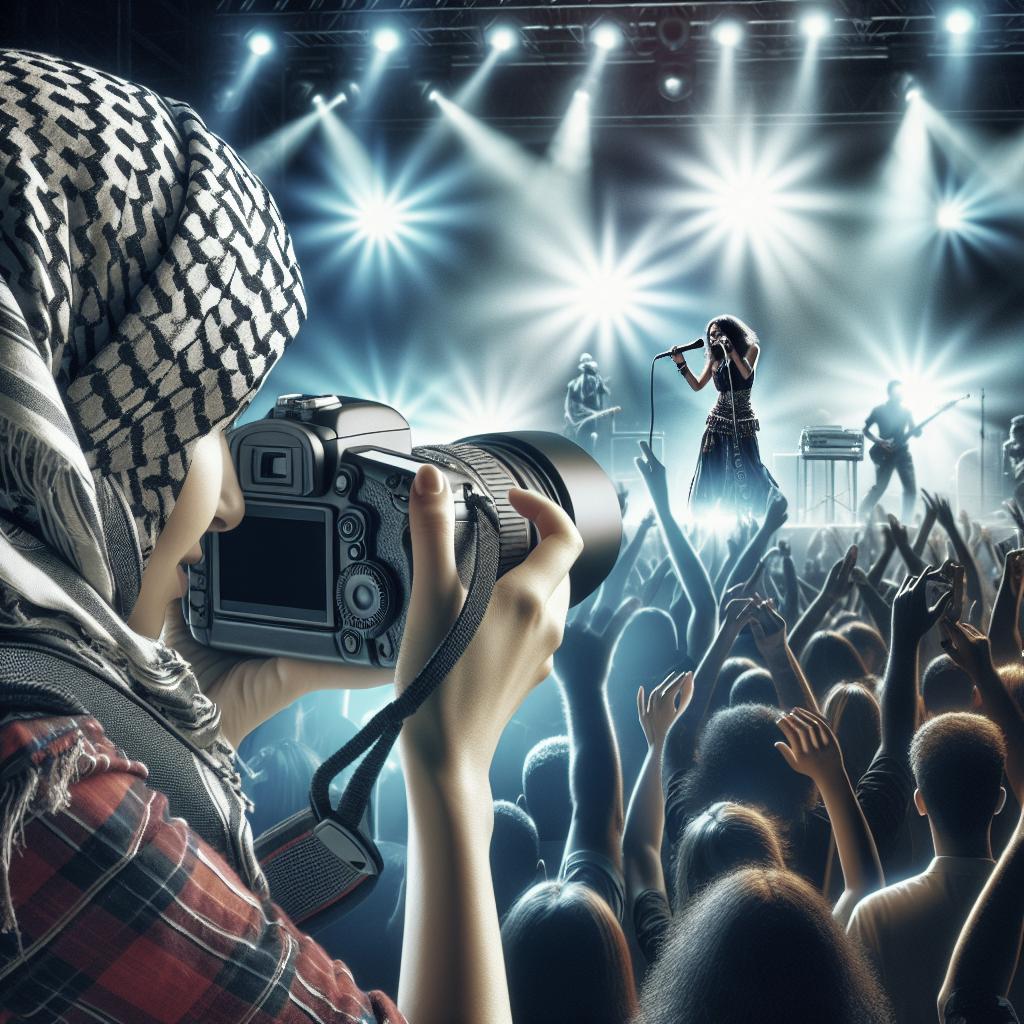
Concert photography is a challenging yet thrilling aspect of photography that requires preparation and adaptability. This article explores crucial elements to ensure successful concert photo shoots. We dive into confirming your credentials to access the event, conducting research on the show to anticipate lighting and artist movements, and selecting the appropriate camera gear for optimal results. You’ll also learn about essential camera settings to capture dynamic shots, ensuring your safety and comfort amidst crowds, and making final preparations before the concert begins. Whether you’re a novice or an experienced photographer, understanding these fundamental aspects will elevate your concert photography skills.
Confirm the Credentials
Before heading to a concert with your camera in tow, securing the proper credentials is crucial. Most concert venues and event organizers require media passes or photo passes for photographers to access certain areas and capture the show. These passes are typically provided to bloggers, journalists, or those affiliated with media outlets. Hence, if you are working for or collaborating with a media organization, request their assistance in obtaining the necessary credentials well in advance.
Alternatively, reach out directly to the event promoters or the band’s management team. This may involve sending a professional email or filling out application forms on their websites. Make sure to present your portfolio or previous work to demonstrate your skills and sincerity in capturing quality content.
Having the right credentials not only legitimizes your presence at the concert but also ensures you have access to optimal vantage points for taking amazing shots. Without them, you may struggle to get close enough to the stage to achieve the desired results.
Research the Show
Understanding the specifics of the show is key in preparing for a concert shoot. Start by looking into the artists performing, their musical styles, and the typical atmosphere of their concerts. Watch videos of their past performances online to get an idea of their stage presence and movements.
Additionally, anticipate the concert’s lighting setup as it significantly influences your shots. Some artists favor stunning light displays, while others might opt for minimalistic lighting. Knowing this in advance helps you prepare accordingly. If possible, visit the venue beforehand to familiarize yourself with the layout, size, and acoustics.
This background research allows you to plan your positioning and timing strategically. It minimizes surprises and enables you to focus on capturing the passion and energy that live music radiates.
Check the Camera Gear
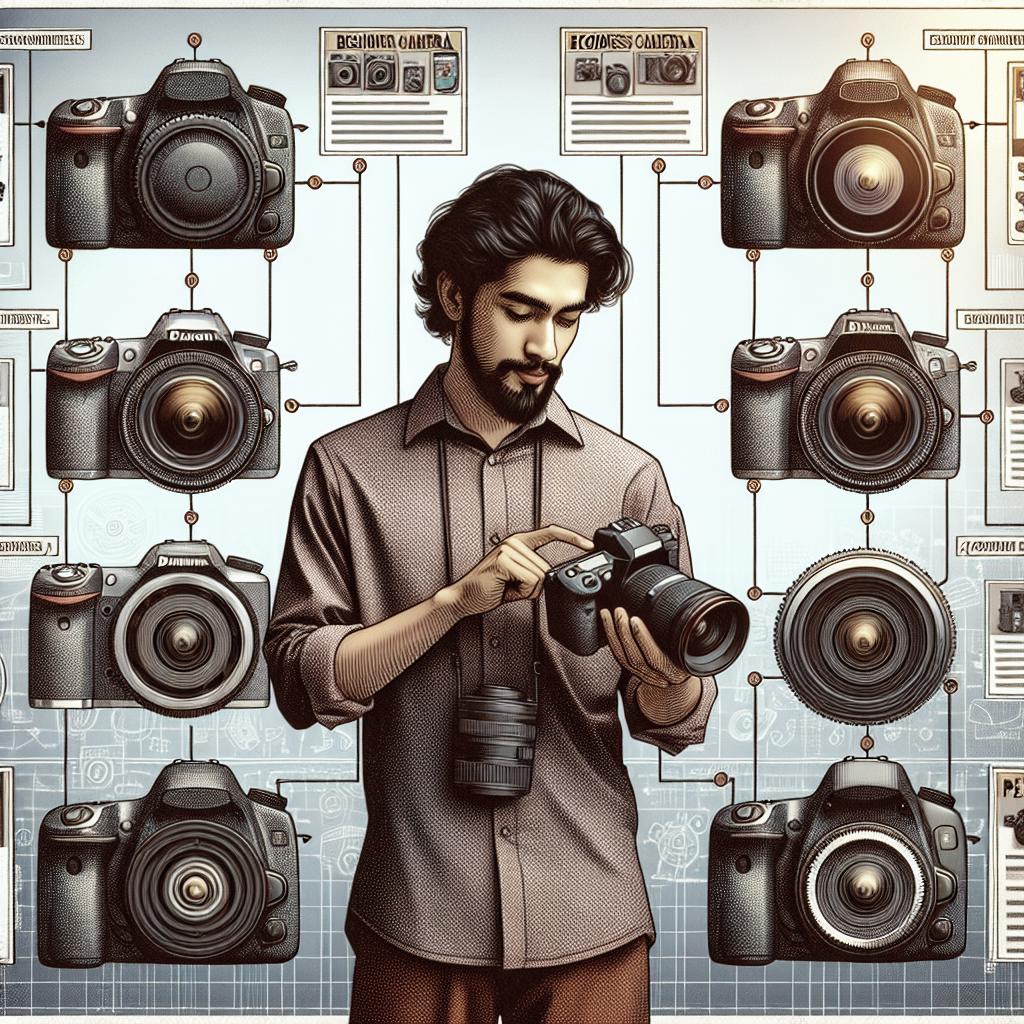
The right camera gear can make or break a concert photography session. A DSLR or mirrorless camera with good low-light performance is essential since most concerts take place in dimly lit venues. Consider carrying fast lenses, such as a 50mm f/1.8 or 70-200mm f/2.8 lens, which allow more light to hit the sensor, ensuring sharp images.
Additionally, ensure you have extra batteries and memory cards on hand. Concerts can be long, and running out of battery or storage space in the middle of the action is something you want to avoid. Backup equipment can also be invaluable when navigating unforeseen issues.
Some venues may restrict the use of flash photography, so it’s wise to be prepared to shoot without flash. Research the venue’s rules to avoid any unnecessary incidents or restrictions on your activities.
Prepare The Camera Settings
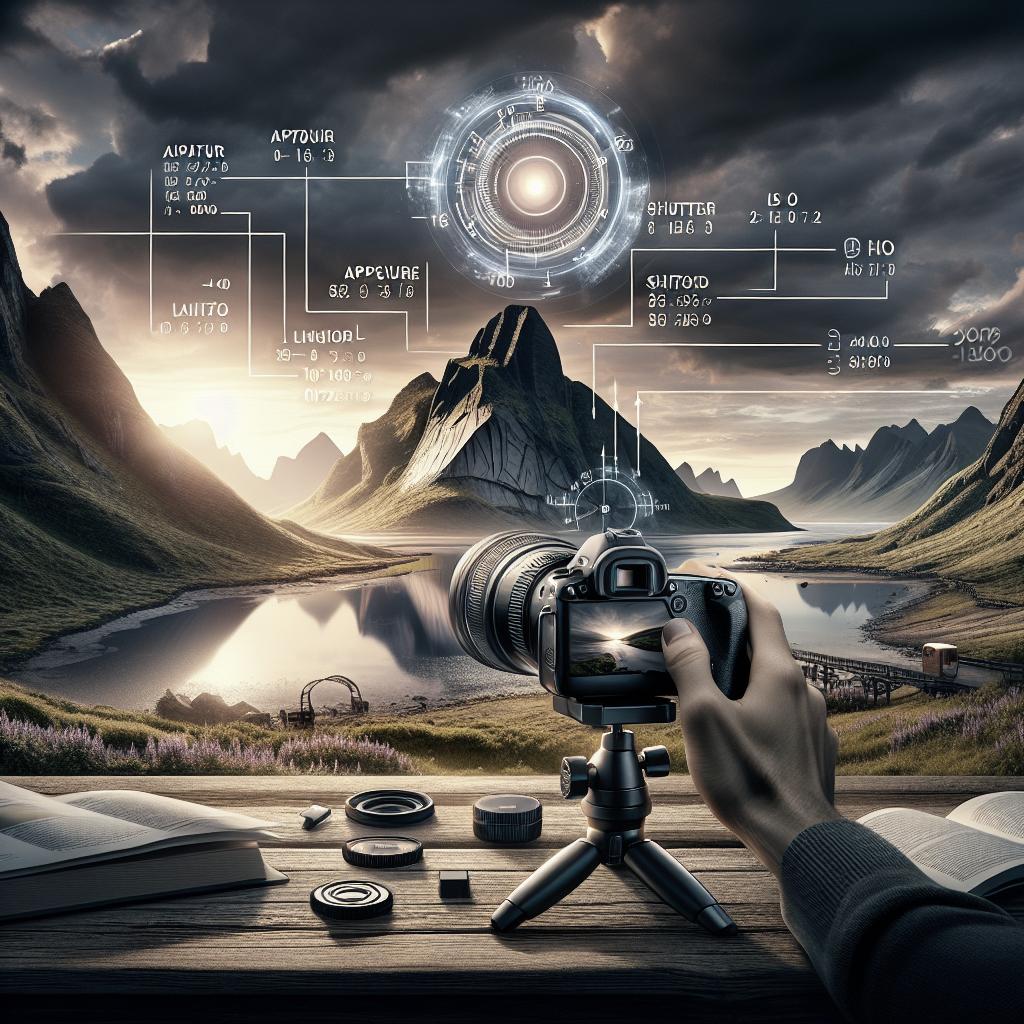
Mastery of your camera settings is crucial when it comes to concert photography. Begin by adjusting the ISO setting. Since concert venues often feature low lighting, a higher ISO, such as 1600 or 3200, can help capture clearer images. Keep in mind that extremely high ISO values may introduce noise, so strike a balance between sensitivity and image quality.
Aperture settings should also be a focus. Using a wider aperture (a lower f-number) allows more light and helps maintain faster shutter speeds, which are essential for capturing movement on stage without blur. Start with an aperture of f/2.8 if possible, and adjust as needed based on the lighting.
Finally, opt for a custom white balance to match the specific lighting conditions of the concert, ensuring the colors in your photos appear natural and vibrant. Becoming comfortable with these settings allows you to respond quickly to changing conditions during the performance.
Safety and Comfort
While capturing stunning images is the primary focus, your safety and comfort should never be compromised. Concerts often have large crowds and lively landscapes, presenting potential risks if proper precautions aren’t taken. Wear comfortable clothing and shoes, given that you’ll likely be standing or moving around for extended periods.
Keep your camera gear secure and easily accessible. Consider using a camera strap or harness to prevent accidental drops. Staying hydrated is essential, so pack a bottle of water and some light snacks to maintain your energy levels throughout the event.
Additionally, be mindful of your surroundings. Although you want to capture great shots, it’s crucial to respect the space and experience of other concertgoers. Avoid obstructing their views or causing disturbances in your mission to get the perfect frame.
Final Preparations
Once you’ve covered all the groundwork, it’s time for the final pre-concert checks. Ensure you arrive at the venue early to familiarize yourself with your surroundings and scout potential vantage points. Double-check your camera settings, gear, and backup equipment to ensure nothing is overlooked.
Reconfirm your credentials or passes at the entrance to avoid any last-minute hiccups. Networking with other photographers or event staff can also be beneficial, providing opportunities to share insights or leverage better shooting positions.
Overall, embrace the atmosphere, enjoy the performances, and stay flexible. Experience and a spontaneous eye for detail can lead to unique captures that stand out among typical concert photos.
Next Steps
| Aspect | Summary |
|---|---|
| Confirm the Credentials | Secure necessary passes for access to optimal vantage points. |
| Research the Show | Understand artist stage presence and lighting setups. |
| Check the Camera Gear | Use cameras suited for low-light, carry extra batteries and memory cards. |
| Prepare The Camera Settings | Adjust ISO, aperture, and white balance for optimal captures. |
| Safety and Comfort | Ensure personal safety, wear comfortable attire, and secure gear. |
| Final Preparations | Arrive early, double-check equipment, and enjoy the performance. |
“`