“`html
Challenges in Documentary Photography
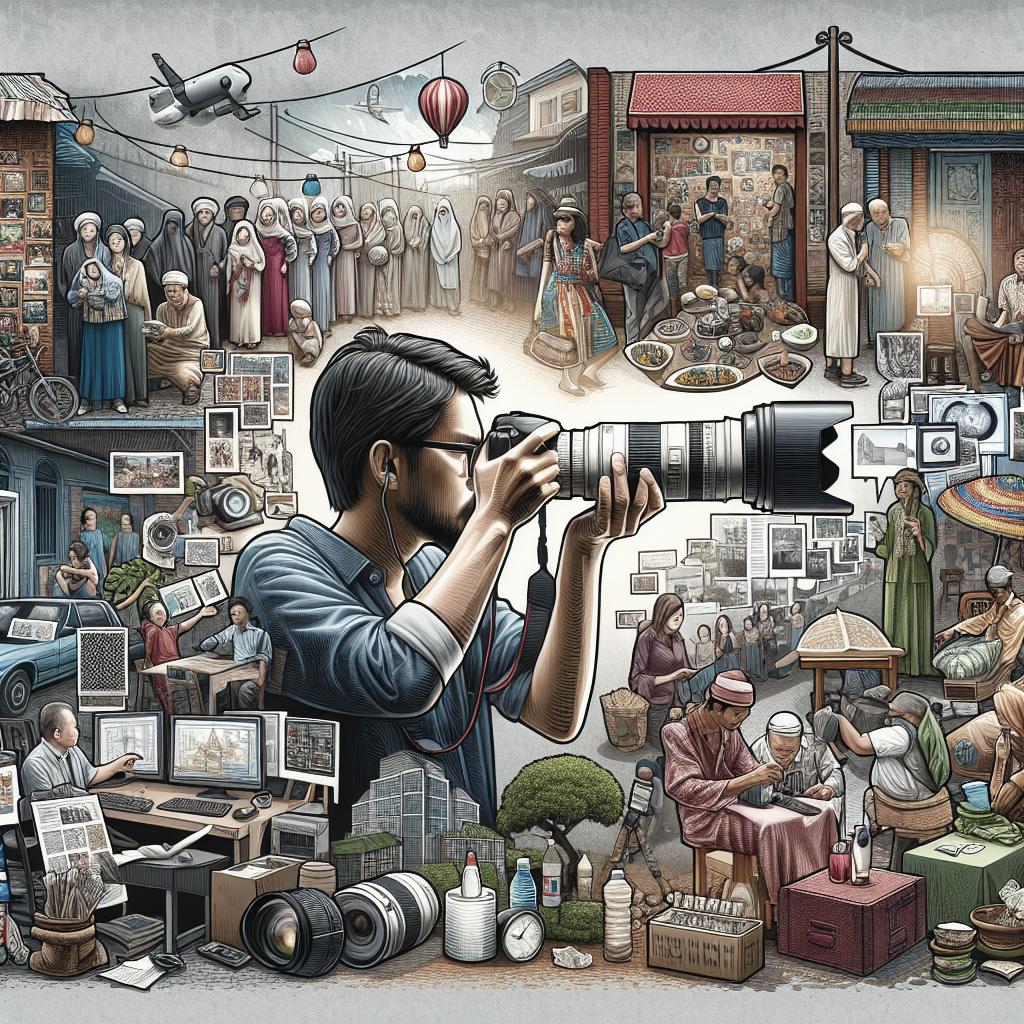
Documentary photography is a powerful medium that captures the essence of reality, transporting viewers into diverse stories across the world. In this article, we delve into the intricacies of documentary photography by exploring the experiences and thoughts of different photographers, particularly those who have worked in Uganda. Through personal anecdotes, emotions while creating images, and the influence of other photographers, we uncover the challenges and triumphs of capturing authentic narratives. Additionally, we discuss the restrictions that photographers often encounter in their mission to document truth. Whether you’re an aspiring photojournalist or simply interested in the world of photography, this comprehensive exploration offers both inspiration and insight into the craft.
Please can you start off with an introduction about yourself. Your name, where you are based currently, and if you feel comfortable, you can throw in a little about your upbringing.
My name is Lucas Martin, and I am currently based in New York City, a hub of creativity and vibrant storytelling. I grew up in a small town in the Midwest, where my fascination with storytelling began. From a young age, I was captivated by the power of words and images to convey complex emotions and events. This passion guided me through my university studies in journalism and communications, and it continues to fuel my work as I explore and document the world around me.
Growing up in a close-knit community, I learned the importance of empathy and understanding diverse perspectives. These values now underpin my approach to documentary photography. I am driven by a desire to shed light on underrepresented stories and provide a platform for voices that need to be heard. My journey has only just begun, as I strive to evolve my storytelling skills and make a meaningful impact through my work.
Q1: What made you want to become a photojournalist or document your surroundings?
The decision to become a photojournalist was less about a moment of inspiration and more about a growing realization that the world is brimming with untold stories waiting to be revealed. As I delved deeper into journalism, I became increasingly aware of how images could transcend barriers and connect people on a human level. This realization steered me towards the visual realm of storytelling, where I could marry my love for photography with a commitment to truth.
Documenting my surroundings allows me to engage deeply with my environment, transforming everyday scenes into narratives that resonate with audiences far and wide. It’s a way of highlighting both the beauty and grit of our world, capturing moments that evoke emotions and provoke thought. In doing so, I hope to spark curiosity and awareness, encouraging others to look beyond the surface and engage with the complexities of our shared existence.
Q2: How do you feel when making these images?
Every time I frame a shot, I feel a profound mixture of excitement and responsibility. There’s an exhilarating rush that comes with knowing you’re about to capture a moment that, in its own way, encapsulates a story or an emotion. Yet, accompanying that excitement is the heavy sense of duty to honor the truth of the subjects and their narratives. The art of documentary photography is demanding; it requires sensitivity and attentiveness to both the scene and the individuals involved.
Emotionally, the process is often a reflective experience. It forces me to continually evaluate my own perspective and biases, striving to present the most authentic portrayal possible. Despite the challenges, the ultimate reward lies in the potential impact of these images. Seeing an audience engage with and react to my work reaffirms the essential role of documentary photography in fostering understanding and connection across diverse communities.
Q3: Through your photographic eyes, what will you say Uganda is really like?
Uganda, often dubbed the “Pearl of Africa,” is a nation of surprises and profound narratives. Through my photographic lens, I see Uganda as a country richly endowed with diverse landscapes, from sprawling savannas and lush rainforests to the bustling energy of Kampala, its capital. But beyond its striking geography lies the true essence of Uganda—its people. Their resilience and vibrant spirit emerge vividly through the images I capture, telling stories of strength, tradition, and hope.
While Uganda has its challenges, including political unrest and economic struggles, it’s important not to overlook the beauty of its multicultural communities and their rich cultural heritage. My experiences there have taught me that documentary photography is not just about capturing aesthetics; it’s about conveying the authentic heartbeat of a place. For those who look beyond Uganda’s surface, there are tales of remarkable human spirit waiting to be encountered.
Q4: Are there photographers that inspire your work?
Indeed, the realm of documentary photography is vast, and many photographers have left a significant mark on my creative journey. Eminent figures like Sebastião Salgado and Dorothea Lange come to mind, with their deeply human approaches to capturing the essence of societal issues. Their works remind me of the profound impact that visual storytelling can have in shaping public consciousness and advocating for change.
More contemporarily, I find inspiration in the works of emerging photographers who courageously push boundaries and redefine documentary photography. These influencers often immerse themselves fully in their subjects’ lives, bringing authenticity and a fresh perspective to their narratives. The global photography community, with its diverse voices and unique styles, continually fuels my motivation to explore new techniques and stories.
Q5: Are there restrictions you faced while documenting in Uganda?
Documenting in Uganda, as in many other parts of the world, comes with its unique set of challenges. One of the primary hurdles is navigating the complex legal and regulatory landscape. Bureaucratic processes for obtaining the necessary permits to photograph in certain areas can be time-consuming and often hinder spontaneity, which is crucial in capturing truthful moments.
Additionally, cultural sensitivities and ethical considerations play a significant role in my work. It’s vital to approach communities with respect and mindfulness, ensuring that the subjects’ dignity is never compromised. Balancing these aspects with the creative and editorial demands of documentary photography requires careful negotiation and thoughtful planning. Despite these constraints, the potential to contribute positively to the narratives of my subjects is what drives me to continue working steadfastly in such environments.
Citate
The heart of documentary photography lies in its ability to immortalize the truth and amplify unheard voices. It’s not just about capturing an image, but crafting a narrative that speaks to both the present and future. As Sebastião Salgado wisely said, “We are living in a very important moment in history. We are in society surrounded by a lot of images in movement, and photography should be interpreted as an art of observing. What you see, you can understand better.”
Next Steps
| Section | Summary |
|---|---|
| Introduction | Documentary photography’s essence and purpose explored through personal stories and industry insights. |
| About Me | Lucas Martin’s background, upbringing, and inspiration for storytelling. |
| Q1: Why Documentary? | The journey into photojournalism driven by the power of images to connect and convey truth. |
| Q2: Emotional Connection | The emotions experienced while capturing images, balancing excitement with responsibility. |
| Q3: Photographic View on Uganda | Uganda as a blend of natural beauty and resilient human spirit through documentary photography. |
| Q4: Inspirational Photographers | Influential photographers who shaped the style and approach to visual storytelling. |
| Q5: Documenting Restrictions | Challenges faced in Uganda, including legal and ethical considerations in documenting. |
| Citate | Photography as an impactful tool for observing and understanding societal complexities. |
“`