“`html
How to Photograph in Challenging Weather Conditions
Photographing in challenging weather conditions can be incredibly rewarding, offering unique opportunities to capture dramatic and captivating images. Whether you’re battling rain, fog, snow, or harsh sunlight, each situation requires a different approach and preparation. This blog post explores the best techniques and essential equipment you need to take stunning photographs in less-than-ideal weather. From selecting the right camera gear to adjusting your clothes for comfort and protection, we’ll cover practical tips and tricks. You’ll also learn about leveraging EXIF data and editing to enhance your photos, allowing you to turn weather adversity into artistic advantage. Ready your camera and prepare to embrace the challenges and rewards of weather photography.
Subscribe
Before diving into specifics, subscribing to weather prediction services or apps can prove invaluable for outdoor photographers. This ensures you know about any sudden weather changes and prepare accordingly. Accurate forecasts can help determine the best time to head out for each unique weather condition, helping you catch that perfect moment where light, moisture, and atmosphere work in tandem.
Many photographers rely on real-time updates from weather apps that provide more than just forecasts. Some apps even offer features like golden hour notifications and cloud coverage updates, which can be critical to planning successful outdoor photography sessions.
Camera Equipment
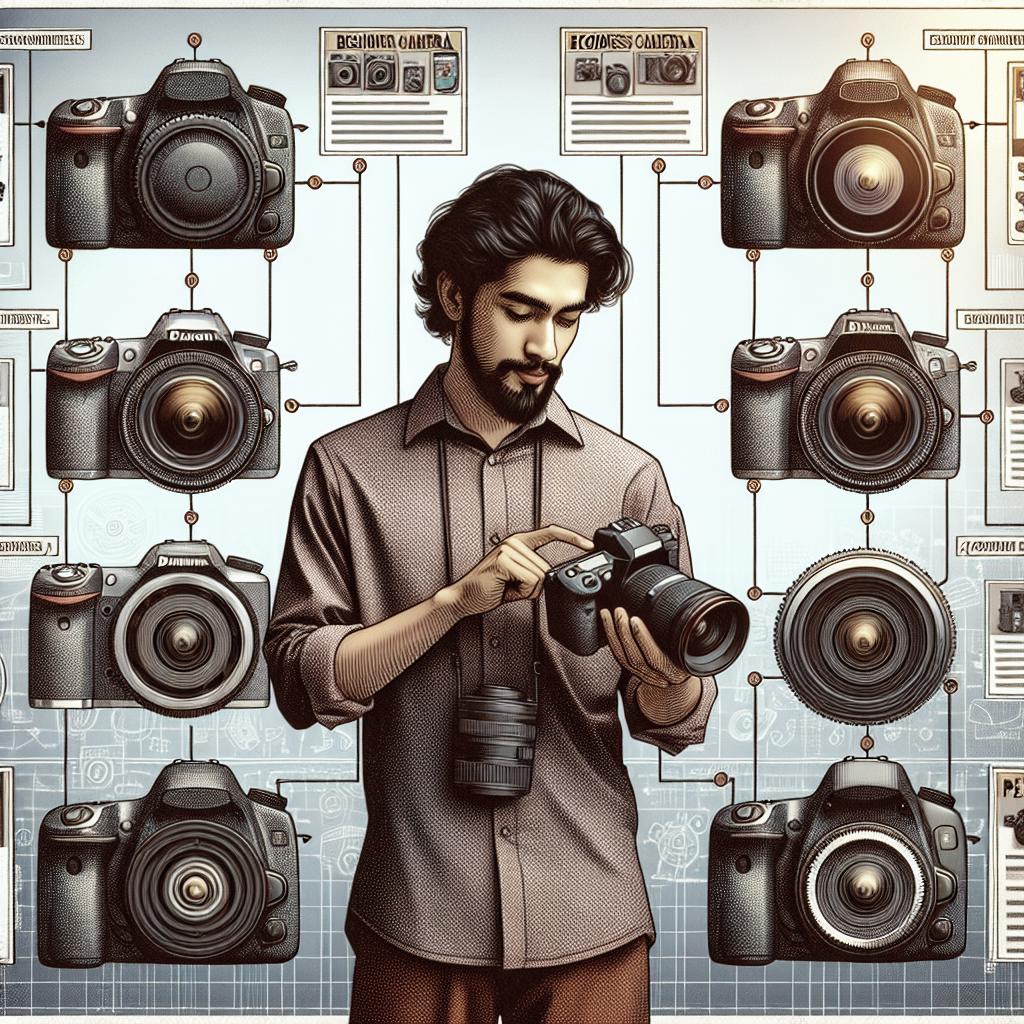
Investing in weather-sealed camera equipment can protect your gear from rain, dust, and snow, maintaining its longevity and reliability. DSLRs and mirrorless cameras with weather-resistant designs are a great investment. Additionally, protective cases or silicone covers for your camera can add an extra layer of defense against moisture.
Lens selection is another factor to consider. While fast prime lenses excel in low-light conditions often found in stormy or foggy scenarios, a versatile zoom lens can give you flexibility in composing wide and telephoto shots without changing lenses in poor weather conditions.
Clothes
Photographers often overlook the importance of proper clothing while working outdoors. Dressing appropriately in layers will keep you warm and comfortable, especially in cold or windy conditions. Invest in waterproof jackets and pants along with suitable boots to keep yourself dry and agile.
Gloves designed for photographers ensure dexterity, allowing you to easily manipulate camera settings without exposing your hands to the elements. Always carry an extra set of warm clothing, dry socks, and small towels to ensure you’re prepared for unexpected weather developments.
Exif & Equipment
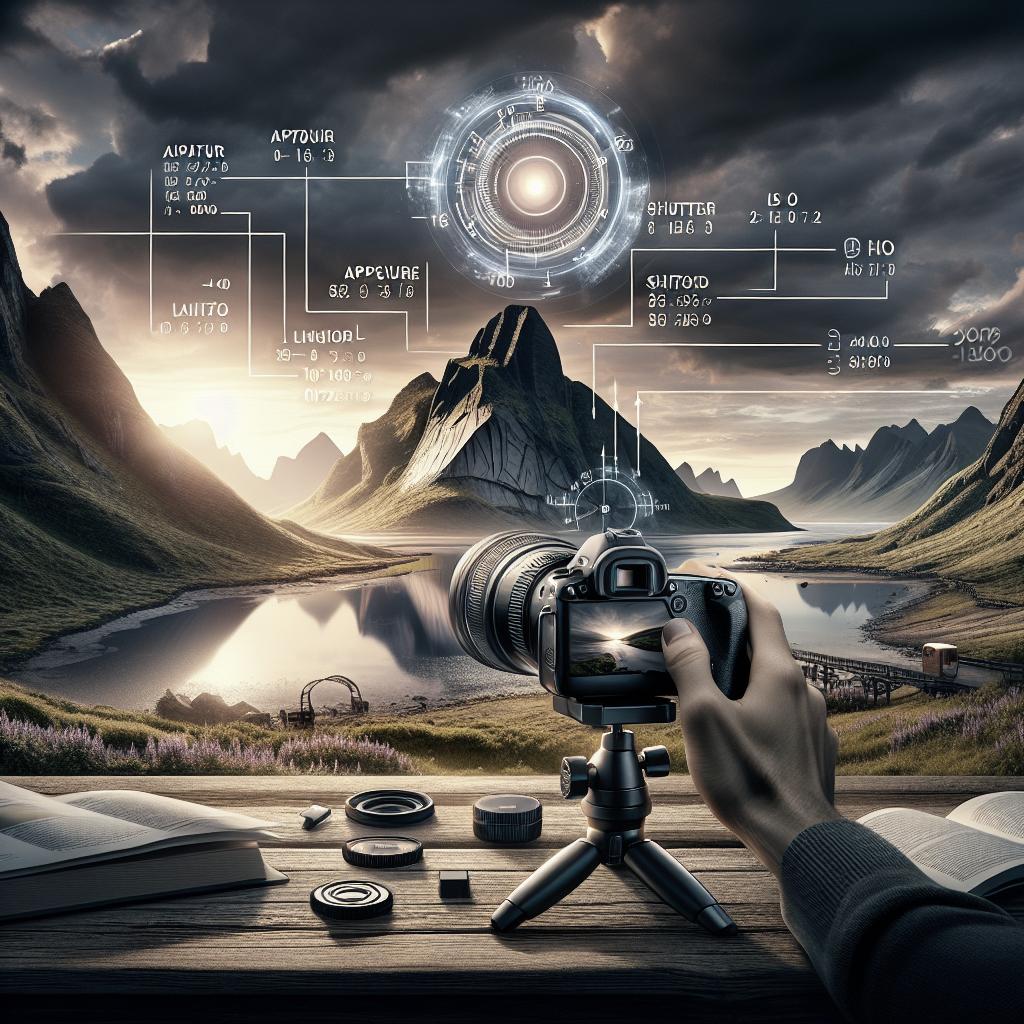
Understanding the EXIF data or metadata of your images can help in analyzing and improving your shots taken in challenging weather conditions. This includes information like aperture, shutter speed, and ISO settings, guiding you to make necessary adjustments in similar future scenarios.
Analyzing your equipment performance through EXIF data can reveal which settings work best under various conditions, allowing you to efficiently calibrate your camera for rain, fog, or snow, and maximize image quality regardless of the weather.
Editing
Post-processing can elevate your weather-challenged shots to the next level. Software like Adobe Lightroom and Photoshop offers tools to enhance colors, adjust exposure, and manage contrast. Editing plays a crucial role in correcting any overexposure or underexposure issues that can arise in challenging weather conditions.
By experimenting with filters and additional effects, you can add mood and drama to your weather photos, bringing out the best of the natural elements. Remember to maintain a balance, so your edits enhance rather than overpower the raw beauty of your photographs.
Final Thoughts
| Aspect | Key Points |
|---|---|
| Weather Subscription | Use apps for real-time weather updates, golden hour, and cloud coverage info. |
| Camera Equipment | Weather-sealed gear, protective cases, versatile lenses. |
| Clothing | Layered clothing, waterproof attire, photography gloves. |
| Exif & Equipment | Analyze EXIF data for setting adjustments and equipment performance. |
| Editing | Use post-processing software to enhance image quality. |
“`